Why are you still juggling appliances when your home could run itself?
Imagine coming home after a long day to find the lights already soft, the coffee brewing, and the AC at just the right temperature—all without lifting a finger. It’s not magic. It’s smart appliance management working quietly behind the scenes, turning daily chaos into calm. You’re not behind; you’re just using your devices the old way. What if your home could finally keep up with *your* life? You’ve spent years adjusting thermostats, remembering to unplug lamps, and wondering if you left the oven on. But what if those little worries didn’t belong in your day anymore? This isn’t about living in a sci-fi movie. It’s about making your real, lived-in home a little kinder, a little smarter, and a lot more in tune with you.
The Morning Rush That Doesn’t Have to Be
Mornings in most homes feel like a race nobody signed up for. The alarm goes off, but the house is still asleep—lights are off, coffee isn’t brewing, and the thermostat hasn’t warmed the kitchen. You stumble around, half-awake, trying to kickstart everything at once. Sound familiar? You press the coffee button, turn up the heat, flip on lights, and still—somehow—someone walks out with cold toast and a lukewarm travel mug. That’s not just bad luck. That’s what happens when your appliances don’t talk to each other. They’re all doing their own thing, and you’re the one running around like a remote control with legs.
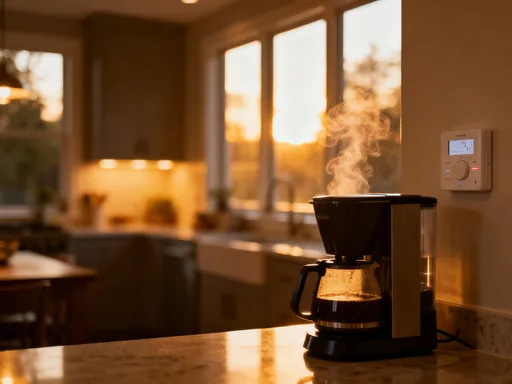
But what if your home could wake up *with* you? Imagine your alarm going off, and just like that, the bedroom lights gently brighten, the coffee maker starts its quiet hum, and the hallway heater kicks in so your feet don’t freeze on the way to the bathroom. No extra effort. No forgotten steps. Just a morning that flows, not fights you. That’s the power of smart coordination—not more gadgets, but smarter use of what you already have. One mom in Ohio told me she used to spend 15 minutes just getting her house ‘awake’ before her kids even opened their eyes. Now, her phone triggers a ‘Good Morning’ scene the moment her alarm stops. The coffee brews, the lights come on, and the thermostat adjusts—automatically. She says she’s not just saving time; she’s saving her patience.
And here’s the best part: you don’t need to replace everything. Start with one thing. Maybe it’s a smart plug on your coffee maker. You set it in your phone’s app to turn on at 6:45 AM every weekday. Done. No more cold brews. Then, add a smart bulb in the bathroom—set to warm light at 6:30 so you don’t feel like you’re stepping into a hospital. These small changes don’t just make mornings easier. They make them *kinder*. You’re not fighting your home; it’s finally helping.
How Your Appliances Could Be Talking (But Aren’t Yet)
Right now, your devices are like a team of coworkers who never talk to each other. The fridge keeps your milk cold, the AC cools the room, the lights turn on—but none of them know what the others are doing. That’s why you end up with lights blazing in empty rooms or the oven running while the front door is wide open. They’re not broken. They’re just not connected.
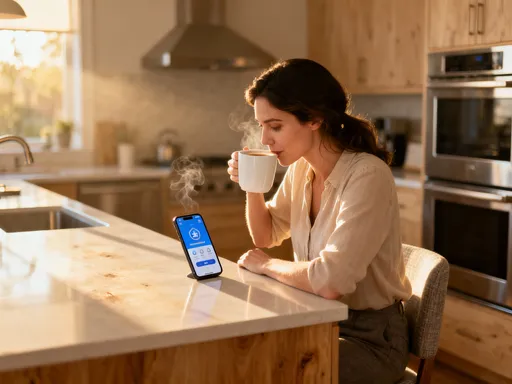
Smart management is about giving your appliances a way to communicate. Think of it like hiring a quiet, invisible assistant who knows your habits and makes sure everything runs smoothly. This isn’t about becoming a tech expert. It’s about using simple tools—like a smart hub or a phone app—to help your devices work as a team. For example, a $30 smart plug can turn any lamp into a smart one. Plug in your bedside lamp, connect it to your phone through a free app, and suddenly, you can turn it on from your couch, set it to turn off at midnight, or even have it turn on when your phone alarm goes off.
And it’s safe. These systems don’t give strangers access to your home. You control everything through your own password-protected account. Most apps use encryption, just like your online banking. You’re not handing over your house keys—you’re just adding a little brain to your routine. One woman I spoke with was nervous about setting it up. She thought she’d need a degree in computer science. But she followed the app’s step-by-step guide—plug in the device, open the app, press the button, connect to Wi-Fi. It took less than ten minutes. Now, she turns off all her lamps with one voice command: “Hey Google, goodnight.” No more walking through the house like a night patrol.
The key is starting small. You don’t need a full smart home system on day one. Try one device. See how it feels. Did it save you time? Did it make you smile when the lights turned on before you even walked in? That’s the sign it’s working. And once you’ve got one thing talking, it’s easier to add another. Before you know it, your home isn’t just full of gadgets—it’s full of *help*.
One Small Change That Calms the Evening Chaos
Evenings are where life really gets messy. Kids are doing homework, someone’s chopping onions, another person is trying to unwind with a book, and the dog is barking at the mail carrier—again. Everyone’s hungry, tired, and just wants things to be *easier*. But instead, you’re juggling dinner, lights, temperature, and a thousand little decisions: Should I preheat the oven? Did I leave the porch light on? Is the baby monitor working?
What if your home could handle some of that for you? Imagine this: you leave work, and as you drive home, your oven preheats automatically. You walk in, toss in the casserole, and set the table—no waiting, no stress. At 7 PM, the living room lights dim to a warm glow, the TV turns on to your favorite show, and the thermostat lowers slightly so the house feels cozy, not stuffy. This isn’t a fantasy. It’s called a ‘scene’—a set of actions your devices take together at a certain time or trigger.
One mom in Texas shared how this changed her life. She used to dread dinner time. She’d come home exhausted, scramble to cook, and end up snapping at her kids because the kitchen was too bright, the oven was too slow, and she forgot to turn on the fan. Then she set up a ‘Dinner Time’ scene. At 5:45 PM, the kitchen lights turn to soft white, the oven preheats to 375, and the exhaust fan turns on. She says the first time it happened, she stood in the kitchen and almost cried. Not because it was fancy—but because it *cared*. It felt like the house was saying, “I’ve got this. You just breathe.”
Setting this up is easier than you think. Most smart home apps let you create routines with just a few taps. You pick the time or trigger (like “when I unlock the front door”), then choose what happens: lights on, thermostat adjusts, music plays. You can even add voice commands. “Alexa, start dinner” could turn on the lights, preheat the oven, and play your go-to cooking playlist. It’s not about replacing you. It’s about giving you backup.
Saving More Than Just Time—Your Peace of Mind
We talk a lot about saving time, but what smart home tech really gives you is *peace of mind*. Think about it: how many times have you lain in bed and wondered, “Did I turn off the iron?” or “Is the garage door really closed?” That low-level anxiety steals more from you than minutes. It steals your calm.
Smart devices can quiet that noise. A smart garage door controller lets you check—and close—it from your phone, no matter where you are. A water leak detector under the sink can send an alert the second it senses moisture, giving you time to act before your floor becomes a swimming pool. One family in Minnesota got a notification while they were on vacation: their basement was flooding. They called a neighbor, who stopped the leak in time. The homeowner said, “That little $40 sensor saved us thousands—and maybe our whole house.”
And it’s not just emergencies. Energy savings add up quietly. A smart thermostat learns your schedule and turns down the heat when you’re out. Over a year, that can save hundreds on your bills. Smart plugs can cut power to devices that suck energy even when off—like that old TV or coffee maker. You’re not just saving money. You’re reducing waste, which feels good on more than one level.
The truth is, these systems aren’t for people who love tech. They’re for people who love their families, their homes, and their sanity. You don’t need to understand how Wi-Fi 6 works to benefit. You just need to want a little more control, a little less worry. And the best part? You don’t have to spend a fortune. Many of the most useful devices cost less than a weekend dinner out. Start with one thing that solves a real problem for you—like a smart lock so you never fumble for keys again—and build from there.
Making It Work for Real Life, Not a Showroom
Let’s be honest—your home isn’t a magazine spread. There are toys on the floor, laundry baskets in the hallway, and maybe a half-eaten snack on the coffee table. That’s real life. And smart home tech should fit *that*, not some perfect, dust-free demo room.
The good news? It can. The best systems are flexible. They adapt to *you*, not the other way around. Take voice commands. Yes, they work when the house is quiet. But they also work when the kids are screaming, the dog is barking, and the blender is running. Modern assistants like Google Assistant and Alexa are built to filter background noise. One mom told me she uses voice commands while cooking—one hand on the spoon, the other holding a crying toddler. “Set timer for ten minutes,” she’ll shout over the chaos. And it works. Every time.
Routines can be just as flexible. Maybe your “Good Evening” scene usually starts at 7 PM. But what if you’re out late? No problem. You can set it to trigger when you *arrive* home, not at a fixed time. Or you can adjust it on the fly from your phone. Life isn’t rigid—and your smart home doesn’t have to be either.
And when things go wrong? They usually don’t. But if a device disconnects, most apps send a gentle notification: “Your bedroom light is offline.” Not scary. Not urgent. Just a heads-up. And troubleshooting is often as simple as unplugging the device for 10 seconds and plugging it back in. No tech degree required. The goal isn’t perfection. It’s progress—small, steady improvements that make your day a little smoother, a little brighter.
Growing Into Your Smart Home, Not Chasing Gadgets
Here’s a secret: you don’t have to go all-in to get results. In fact, rushing to buy every smart gadget can backfire. Too many devices mean too many apps, too many passwords, and too much confusion. That’s not smart living—that’s gadget overload.
Instead, think of this as a journey. Start with one pain point. What part of your day feels the most out of control? Is it the morning scramble? The evening chaos? The nagging worry about the stove? Pick one. Then ask: what device could help with that? If it’s mornings, maybe a smart coffee maker. If it’s security, a smart doorbell with a camera. If it’s energy bills, a smart thermostat. One step. One win.
Then pause. Live with it. Did it make a difference? Did you use it? Did it feel like a burden or a help? If it helped, great. Now look for the next opportunity. Maybe connect your smart plug to a fan so it turns on when the room gets hot. Or set your lights to turn off automatically at midnight so you’re not the last one walking through the house.
A mini checklist can keep you focused:
1. What’s one daily frustration?
2. Is there a smart device that solves it?
3. Is it easy to set up and use?
4. Does it work with what I already have?
5. Can I afford it without stress?
If you can answer yes to most of these, you’ve found your next step. This isn’t about keeping up with trends. It’s about building a home that keeps up with *you*. Slow, thoughtful, and totally personal.
Your Home, Finally in Sync With You
Let’s go back to that moment we started with: you come home after a long day. The air is just right. The lights are soft. The coffee is brewing. No effort. No stress. Just calm.
That’s not a luxury. It’s not reserved for tech geniuses or millionaires. It’s possible—for you, in your home, with your life—starting today. A smart home isn’t about flashing lights or voice-activated everything. It’s about creating space. Space in your mind. Space in your day. Space to breathe, to connect, to just *be*.
You’ve spent years running your home. Now, let your home run *for* you—just a little. Not to replace your care, but to multiply it. So you can spend less time managing lights and thermostats, and more time helping with homework, sharing a laugh, or sitting quietly with a cup of tea.
This isn’t the future. It’s here. And it’s not about the tech. It’s about *you*—your time, your energy, your peace. One small change. One thoughtful step. That’s all it takes to turn a house full of appliances into a home that truly understands you.