From Chaos to Calm: How Digital Tickets Gave Our Community Events Back Their Joy
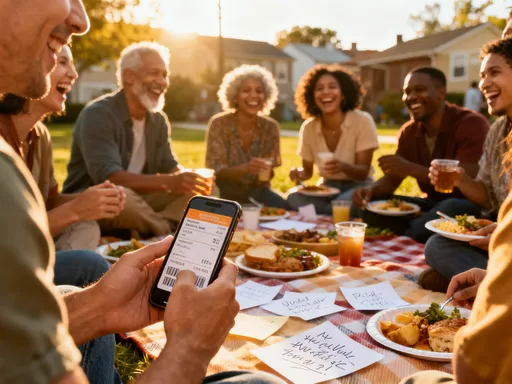
Organizing a community picnic used to mean juggling paper slips, chasing down RSVPs, and guessing how much food to buy. Sound familiar? I felt overwhelmed too—until we switched to digital ticketing. What started as a small change transformed everything: clearer communication, less stress, and more time to actually enjoy the people around us. It wasn’t just about going paperless—it was about making space for connection, ease, and real moments. This is how one simple tech shift brought our neighborhood closer together.
The Messy Reality of Planning Together
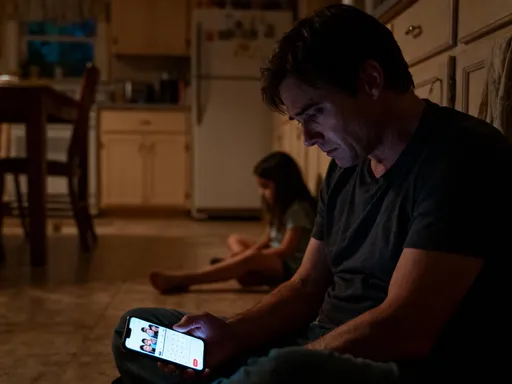
Just last summer, I volunteered to coordinate our annual neighborhood picnic. I thought it would be fun—good food, kids playing, music in the air. But by the third week of planning, I was on the verge of quitting. I had a stack of paper RSVPs on my kitchen counter, some with smudged handwriting, others missing entirely. I’d sent out reminders over the group chat, but messages got buried under grocery lists and dog-sitter recommendations. Then came the morning of the event: we had 30 extra chairs set up for people who never showed, and we ran out of vegetarian meals because three families forgot to mention their needs. I stood there, stirring a lukewarm pot of soup, wondering why something meant to bring us together left me feeling so alone.
It wasn’t just me. When I mentioned how drained I felt, two other moms nodded in quiet agreement. One said she stopped volunteering after her daughter’s school bake sale ended with half the cookies unsold—because the signup sheet vanished from the teacher’s desk. Another admitted she missed her best friend’s birthday potluck because the date changed twice, and she didn’t see the update in time. These moments weren’t just about bad planning. They were about using tools that no longer serve us. We were all working hard, but we weren’t working smart. And the emotional cost was real—frustration, guilt, and a quiet sense of being taken for granted. That’s when Maria, who lives down the street, leaned in and said, “What if we tried using digital tickets? Like for concerts?” I laughed at first. Tickets for a block party? But the more I thought about it, the more it made sense.
Discovering a Tool Meant for More Than Planes and Trains
We’re all familiar with digital tickets—those little QR codes we flash at the airport or concert gates. I remember standing in line at a music festival last year, phone in hand, feeling a tiny bit proud that I didn’t lose my ticket in my purse. That’s when it hit me: if this works for thousands of strangers, why not for 50 neighbors? I started looking into platforms that offer free event registration, and I was surprised by how simple and thoughtful they’ve become. These aren’t complex systems built for corporations. They’re made for people like us—parents, volunteers, community gardeners—who just want to make things easier.
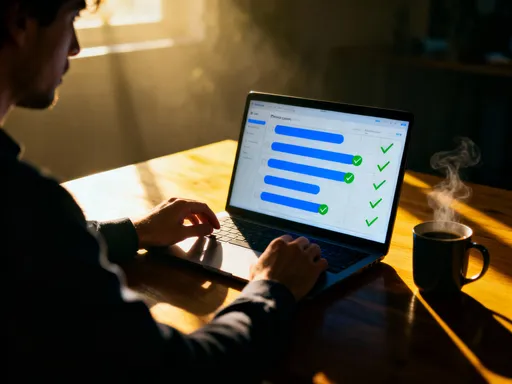
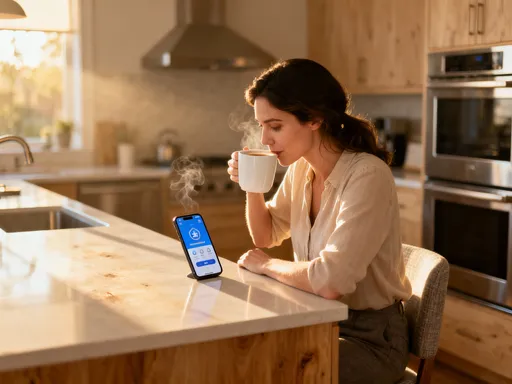
One evening, over tea and a plate of leftover muffins, I tested it out. I created a mock event called “Spring Garden Gathering” and sent the link to three friends. Within minutes, they’d RSVP’d, selected their meal preferences, and even added notes like “I’ll bring my ukulele!” The platform automatically sent them a confirmation email with a QR code. No printing, no follow-up texts. I stared at my screen, half in disbelief. This wasn’t magic—it was just smart design. The beauty is that you don’t need to be tech-savvy. No coding, no server setups. Just a few clicks, and suddenly, you have a living, breathing guest list that updates itself. I realized then that we’d been solving the wrong problem. We weren’t bad organizers. We were using outdated tools in a world that’s moved on.
Making It Work for Real People, Not Tech Experts
The next step was to try it for real. Our fall harvest dinner was coming up, and I convinced the planning committee to give digital tickets a shot. I chose a well-known, free event platform—nothing fancy, just clear and easy to navigate. I set up the event page with the date, time, location, and a cheerful photo of last year’s pumpkin bread. I added options for dietary needs: vegetarian, gluten-free, nut allergies. Then I included a simple question: “Will you bring a dish to share?”
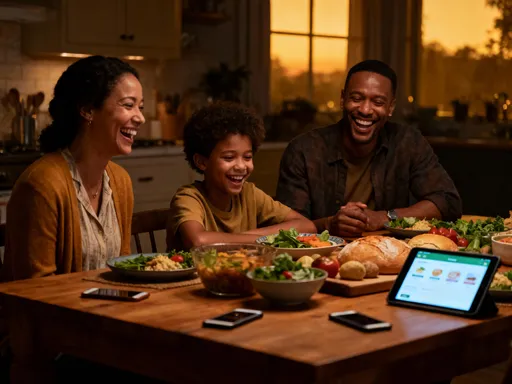
When I shared the link in our neighborhood group chat, I braced for confusion. But instead, I got replies like “Oh, this is so clean!” and “I just signed up from my doctor’s waiting room!” One neighbor, Mrs. Thompson, who’s in her 70s and usually asks her grandson to help with anything online, called me the next day. “I used the link you sent,” she said, “but I don’t have a printer. Can I show it on my phone?” I assured her she could—her QR code would scan just fine. For those who preferred paper, we printed a few copies with QR codes at the community center. No one was left out. By the week of the event, we had 47 confirmed guests, 12 dish contributions, and a clear count of how many gluten-free desserts to prepare. The night of the dinner, I actually sat down and ate my meal—hot, for once—because I wasn’t running around with a clipboard.
The Ripple Effects of One Smart Shift
The benefits went far beyond fewer paper cuts and cold dinners. The most immediate change was how much less food we wasted. Last year, we overbought by nearly 30%. This year? We used the headcount to order just enough. That meant saving money—always a win for volunteer-run events—but also feeling better about not tossing trays of untouched food. One mom said, “I love that we’re being thoughtful about resources. It feels like we’re growing up as a community.”
But the deeper wins were emotional. Organizers started feeling supported, not stretched. When people could RSVP with a tap and include their needs, it sent a quiet message: we see you, and we want you here. I noticed more people attending, especially those who used to skip events because “it felt like too much hassle to reply.” With one click, they could say yes—and mean it. We also began tracking accessibility needs more thoughtfully. Someone noted they’d need a chair near the stage due to mobility issues. Another mentioned they were hard of hearing and appreciated when speakers faced the group. These weren’t demands—they were invitations to care better. And the response? More empathy, more preparation, and fewer awkward moments. Trust grew. People knew their input mattered, and that made them want to show up, not just physically, but with their hearts.
Building Confidence Through Small Wins
Success breeds confidence, and that confidence is contagious. After the harvest dinner, our youth group leader asked if we could use the same system for the teen art showcase. “If it worked for food,” she said, “maybe it can help us track which parents are volunteering for setup.” We did—and it did. Then came the spring cleanup day. Instead of a messy sign-up sheet taped to the park bench, we used digital tickets to assign zones and shifts. One dad joked, “I feel like I’m managing a small festival!” But he meant it fondly. The ease of knowing who was where, and when, made coordination smooth and stress-free.
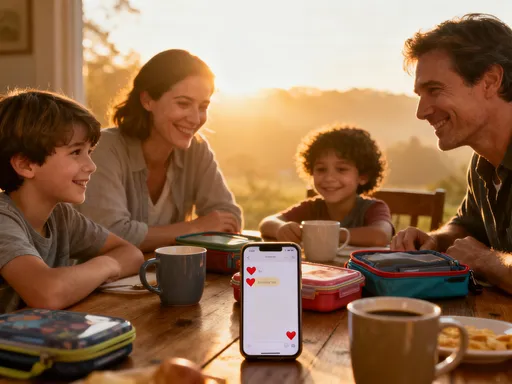
Over coffee one Saturday, a few of us started dreaming bigger. “What if we used this for the holiday gift swap?” someone asked. “Or the summer movie nights?” We realized we weren’t just adopting a tool—we were building a new rhythm for how we connect. And the more we used it, the more we trusted each other. We weren’t relying on perfect memory or perfect timing. We were building systems that held us, so we could focus on what really mattered: showing up for one another. That shift—from individual effort to shared ease—changed how we saw ourselves. We weren’t just neighbors. We were a team. And like any good team, we were learning to work smarter, not harder.
Keeping Heart in Every Click
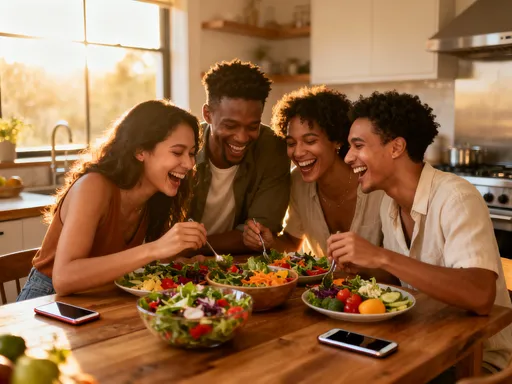
I know what some of you might be thinking: Doesn’t this make things feel… colder? Like we’re replacing warm handshakes with cold screens? I had the same worry. But what surprised me was how much more personal our events became. Because I wasn’t spending hours chasing RSVPs, I had time to write thank-you notes. Because I wasn’t guessing meal counts, I could walk around and check in with people: “How’s your week been?” “Did your daughter enjoy the recital?”
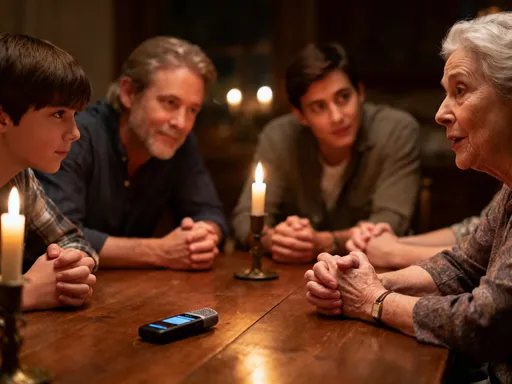
Digital tools didn’t replace connection—they protected it. They took care of the noise so we could hear each other better. One evening, during the storytelling circle at our winter gathering, an older neighbor shared a memory from the 1960s—how the whole block used to gather for lemonade on hot afternoons. “We don’t do that much anymore,” she said, “but tonight feels like that.” I looked around. Phones were down. Faces were lit by candlelight. And yet, that event had been organized with digital tickets. The tech wasn’t in the moment—it was behind it. It had cleared the path so we could walk into each other’s stories without distraction. That’s the power of using technology with intention: it doesn’t take over. It steps back.
Your Turn: Start Small, Grow Together
So, what about you? Think about the last time you planned something simple—a book club meeting, a backyard BBQ, a school fundraiser. Did you spend more time managing the details than enjoying the people? That’s not failure. That’s a sign that your heart is in the right place—and that it’s time for a better tool. You don’t need to overhaul everything at once. Start with one event. Use a free, simple platform. Share the link in your group chat. See what happens when saying “yes” becomes easy.
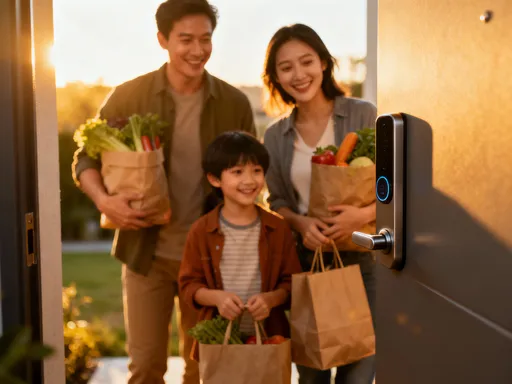
And if someone says, “I don’t do tech,” smile and say, “That’s okay. We’ll make sure you’re included.” Print a QR code. Ask a teen to help. Build bridges, not barriers. Because this isn’t really about tickets. It’s about time—your time, your peace, your presence. It’s about creating spaces where everyone feels welcome, seen, and valued. Imagine a community where the energy isn’t spent on confusion and chaos, but on laughter, learning, and belonging. Where the tools we use don’t drain us, but empower us. That future isn’t far off. It starts with one click. One choice. One small act of saying, “Let’s make this easier—together.” And when we do, we don’t just organize events. We rekindle joy. We build home.