I kept falling behind on my goals—this simple tool finally made progress feel real
Ever feel like you're busy all day but still not moving forward? I did too—until I started using a project management platform to track my learning journey. It wasn’t about working harder, but seeing my progress clearly. No more guessing if I was improving. Just small, steady wins that added up. At first, I thought it was overkill—why use a work tool for personal growth? But within weeks, something shifted. I could finally see how far I’d come. That simple change didn’t just help me learn better—it changed how I saw myself. If you’ve ever lost motivation halfway through a goal, this is for you.
The Moment I Realized I Was Going Nowhere
I used to set big, bold goals—learn Spanish, build a website, finally master the guitar. I’d start strong, full of energy and notebooks filled with plans. But within a few weeks, the excitement would fade. I’d open my journal and see the same unfinished to-do lists, the same half-written practice notes. I wasn’t lazy. I was spending real time on these goals—watching videos, reading articles, even scheduling practice. But I couldn’t tell if I was actually getting better. That uncertainty ate away at me. Each day felt the same, like I was treading water.
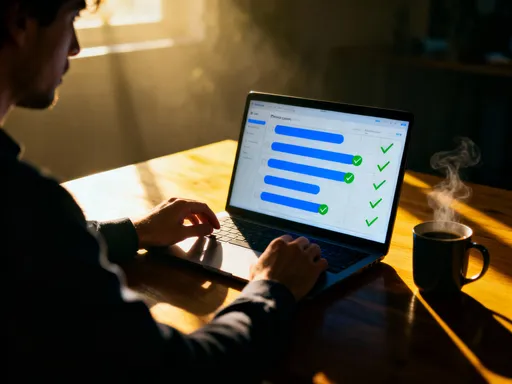
One rainy afternoon, I called my friend Maria, who’d recently learned to code while raising two kids. “How do you stay on track?” I asked, half-expecting her to say she had more time or more discipline. Instead, she laughed and said, “I don’t rely on willpower. I use a project board to see my progress.” She pulled up her screen and showed me a simple layout: columns labeled 'To Learn,' 'In Progress,' and 'Done.' Each skill was broken into tiny cards—'Watch 10-minute CSS tutorial,' 'Build a button with code,' 'Save project to folder.' And every time she completed one, she moved it to 'Done.'
It looked so simple, almost too simple. But then she scrolled down, showing months of completed cards piling up. “This,” she said, “is how I know I’m moving forward—even on days when I don’t feel like it.” That moment hit me hard. I realized my problem wasn’t effort—it was invisibility. I was working, but I couldn’t see the results. So I decided to try it. Not to manage my home schedule or grocery lists, but to track my learning. I wasn’t managing a team—I was tracking myself.
Why Learning Feels Invisible (And How to Fix It)
Here’s the truth: learning doesn’t come with a progress bar. When you’re cooking dinner or folding laundry, you can see the results. But when you’re learning something new—whether it’s a language, a software tool, or a musical instrument—the changes happen slowly, quietly, beneath the surface. You read a page, watch a tutorial, repeat a phrase—but nothing feels finished. And because nothing feels complete, it’s easy to believe you’re not getting anywhere.
This is what psychologists call the 'plateau of latent potential'—a phase where growth is happening, but it’s not visible yet. You’re building mental muscle, forming new connections, but you can’t see them. Without feedback, motivation drops. You start questioning, “Is this even working?” That’s exactly where I was. I wasn’t failing—I was just in the invisible phase.
Project management platforms fix that by making progress visible. Originally designed for teams to track tasks, they’re surprisingly powerful for personal growth. When you break a skill into small, trackable actions, you create milestones. Each completed task becomes a tiny proof point. You’re not just 'trying' to learn—you’re *doing* it, step by step. And when you can see those steps stacking up, your brain starts to believe in the process again.
Think of it like a garden. You don’t pull up the seeds every day to check if they’re growing. But you do notice when the first green sprout appears. A project board gives you those sprouts—small, visible signs that something is happening beneath the surface. It doesn’t matter if the task is small. What matters is that it’s done, recorded, and seen. That’s how you rebuild trust in your own progress.
Choosing the Right Platform for Personal Growth
When I started, I tried everything—flashy apps with animations, complex tools with dozens of features. Some looked beautiful but crashed when I opened them on my tablet. Others promised the moon but required hours of setup. I needed something different: simple, stable, and reliable. I wasn’t managing a Fortune 500 company—I was tracking my Spanish lessons and guitar practice.
What I learned is that for personal growth, reliability matters more than features. I needed a platform that worked across my phone, laptop, and tablet—without losing data. I needed offline access, so I could update my progress even on the school run with bad signal. And I needed it to be consistent—no sudden updates that changed the layout or deleted my boards.
The tool I finally stuck with wasn’t the most popular or the most advanced. It was just… steady. It loaded quickly. It saved automatically. It didn’t surprise me. And that consistency became a quiet source of comfort. Knowing my progress was safe—really safe—made me more likely to keep going. I didn’t have to worry, “Did I lose last week’s work?” or “Why can’t I find that task?” That peace of mind freed up mental space. Instead of managing the tool, I could focus on learning.
And here’s something I didn’t expect: the stability of the system started to reflect in my habits. When the tool showed up the same way every day, I started showing up the same way too. I didn’t need motivation to open it—opening it became the first step of my routine. It wasn’t magic. It was design. A simple, dependable tool made it easier to stay the course, even on busy or tired days.
Turning Skills into Trackable Projects
My first real test was building a simple website. I’d always wanted to create a space to share family recipes and photos. But “learn web design” felt too big, too vague. So I followed Maria’s advice: I broke it down. Instead of one huge goal, I created a project with small, doable tasks. 'Watch one HTML tutorial.' 'Create a homepage layout.' 'Add a photo gallery.' Each became a card on my board.
At first, I moved slowly. Some days, I only completed one card. But each time I dragged it to 'Done,' I felt a little spark. It wasn’t a big achievement—just watching a 12-minute video—but it was *done*. And because it was recorded, it counted. Over time, I added more detail: due dates, notes, even emoji to mark how I felt. A smiley face for joyful days, a tired face for tough ones. It became more than a task list—it became a story of my journey.
One of the most powerful changes was adding deadlines. Not strict, punishing ones—but gentle nudges. I’d set a date for 'Code a contact form' and give myself a week. If I missed it, I didn’t beat myself up. I just rescheduled. The board didn’t shame me—it helped me adjust. And that made it easier to keep going.
Another surprise? I started reflecting more. On weekends, I’d review my board and see how many cards had moved. I’d notice patterns—like how I learned better in the morning, or how I avoided coding after long days at work. That awareness helped me plan smarter. I wasn’t just tracking tasks—I was learning about myself. And that self-knowledge became just as valuable as the skill I was building.
How Daily Tracking Changed My Mindset
Before this, I measured progress by big results—like fluency or a finished website. But those goals were so far away that they felt unreachable. Daily tracking shifted my focus to effort, not outcome. I stopped asking, “Am I good yet?” and started asking, “Did I show up today?” That small change reduced pressure and increased consistency.
There were days I missed. Life happened—a sick child, a work deadline, a family event. But instead of quitting, I’d look at my board and see the past week’s progress. Those completed cards reminded me, “You’ve done this before. You can do it again.” The visual history acted like a mirror, showing me not just what I’d done, but how I’d overcome obstacles before.
I also stopped comparing myself to others. Before, I’d see someone post, “I built an app in a month!” and feel discouraged. Now, I focus on my own board. My progress is mine. It doesn’t have to match anyone else’s. The platform doesn’t rank me or show leaderboards. It just shows my truth. That freedom to grow at my own pace gave me patience and self-compassion.
Over time, I noticed a deeper shift. I wasn’t just learning skills—I was building resilience. Each small win trained my brain to believe in steady effort. I began to trust the process. And that trust spilled into other areas of life. I started new projects with more confidence. I wasn’t afraid of slow progress anymore. Because now I knew: slow and steady isn’t failure. It’s how real growth happens.
Sharing My Journey Without Losing Myself
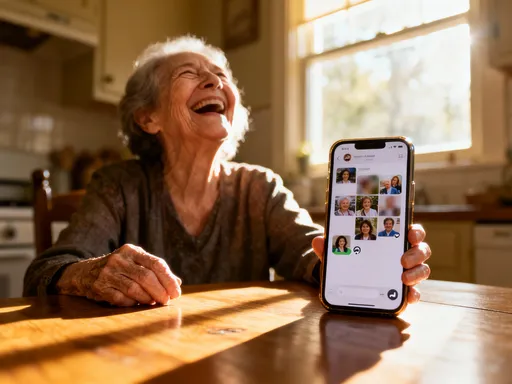
One of the most unexpected benefits was connection. I invited my sister to view my board—not to compete, but to share. She’d always wanted to learn Spanish too. We didn’t set up a contest or challenge. We just shared our boards. When I moved a card to 'Done,' she’d send a quick message: “So proud of you!” That small gesture meant more than I expected. It turned a lonely journey into something warm and human.
We even started a joint goal: learning basic Spanish together. We created a shared board with simple tasks like 'Learn 5 food words,' 'Practice greetings,' 'Watch a short video.' We didn’t pressure each other. We just showed up. And when one of us missed a day, the other would gently check in. It wasn’t about perfection—it was about support.
But I also protected my boundaries. I used privacy settings to control what she could see. Some days, I added personal notes—frustrations, doubts, little victories—that weren’t for sharing. That balance was important. I wanted connection, but not at the cost of authenticity. The platform let me be open without being exposed.
That experience taught me something powerful: personal growth doesn’t have to be solitary. With the right tool, it can be relational. It can strengthen bonds. It can turn “I’m trying to learn” into “We’re growing together.” And that makes the journey not just productive, but meaningful.
Building a Future Where Progress Is Seen, Not Just Hoped For
Today, my project board holds more than tasks. It holds memories. It holds proof of effort, of showing up, of not giving up. I look back at old projects—my first website, my Spanish lessons, my guitar practice—and I see not just skills, but resilience. I see a version of myself who kept going, even when it felt slow.
The right tool didn’t just organize my learning. It gave me clarity. It gave me confidence. It gave me calm. I no longer start new goals with fear. I start them with a plan. I know I’ll have a place to track each step, to see each win, to believe in my progress. And that belief changes everything.
If you’ve ever set a goal and lost steam halfway, I want you to know this: it’s not you. It’s the invisibility of growth. But you don’t have to stay in the dark. A simple project management platform can turn your effort into something you can see, celebrate, and trust.
You don’t need more time. You don’t need more willpower. You just need a way to see your progress. Because when you can see it, you’ll finally believe in it. And when you believe in it, you’ll keep going. And that—more than any tool—is the real secret to lasting growth.