More Than a Key: How Smart Locks Made My Home Life Smoother
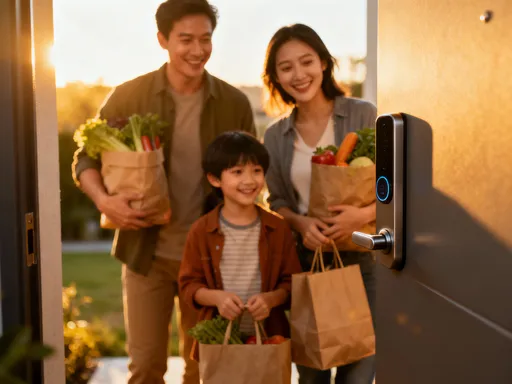
Remember fumbling for keys while holding grocery bags, or worrying your kid forgot their key again? I did—daily. Then I installed a smart door lock, and honestly, it changed more than just how I enter my home. It eased my routines, calmed my worries, and quietly made our family life flow better. This isn’t about high-tech bragging—it’s about real, simple relief in everyday moments. The kind of relief that doesn’t come from flashy gadgets, but from finally solving those tiny, nagging problems we’ve just learned to live with. And if you’ve ever stood outside your front door in the rain, juggling school projects and a toddler, you know exactly what I mean.
The Small Annoyances That Added Up
Before I got my smart lock, I didn’t realize how much mental space keys took up. It wasn’t just about losing them—though I did, more times than I’d like to admit. It was the constant low-grade anxiety that followed. Did I lock the door when I left? Did the kids let the dog out and forget to relock it? Was the spare key still under the flowerpot, waiting for someone to find it? These weren’t rare events—they happened weekly, sometimes daily. I remember one Tuesday, soaked from a sudden downpour, one hand gripping a leaking grocery bag, the other patting every pocket while my daughter whined behind me. I’d locked myself out. Again. The locksmith took 45 minutes to arrive. My milk was ruined, my nerves were shot, and I felt like a failure for not being more organized.
And it wasn’t just me. My older son, 14 at the time, would often come home from soccer practice only to sit on the porch for an hour waiting for someone to get home. He’d text me from outside, “Door’s locked,” and I’d scramble to call a neighbor or rush home early. My younger daughter once accidentally locked her babysitter out while playing “house.” We had to climb through the back window—me in heels, the babysitter in yoga pants—while the dog barked like the house was being robbed. These moments weren’t emergencies, but they piled up, each one chipping away at that sense of calm we all crave as parents. The truth is, traditional locks don’t just secure doors—they can also lock in stress.
There was also the guest factor. When my mother came to visit from out of town, I had to either leave a key with a neighbor or meet her at the house at a very specific time. What if her flight was delayed? What if the neighbor wasn’t home? I found myself rearranging my whole schedule just to make sure someone could let her in. And don’t even get me started on deliveries. I missed three Amazon packages in one month because I wasn’t home to accept them. The delivery notices piled up like guilt letters: “Attempted delivery. Recipient not available.” It felt like my home was closed for business, even when I was trying my best to keep everything running.
Why I Tried a Smart Lock (And Wasn’t Just Looking for Gadgets)
The final straw came when my daughter’s violin teacher showed up for a lesson, and no one was home. I had completely forgotten about the appointment, and my daughter was at a friend’s house. I felt awful—she’d driven all the way across town, wasted her time, and I couldn’t even apologize in person. That night, I sat at the kitchen table, staring at my messy key ring with seven different keys—house, garage, mailbox, storage unit—and thought, “There has to be a better way.” I wasn’t looking to turn my home into a sci-fi movie. I just wanted to stop feeling like I was constantly failing at the basics.
I started researching smart locks not because I love tech, but because I love peace. And I’ll be honest—I was skeptical. I’d heard stories about Wi-Fi failures, hacking risks, batteries dying at the worst moment. I didn’t want to trade one set of problems for another. But what kept drawing me in was the idea of control. The ability to let someone in without being there. To know for sure that the door was locked, even if I couldn’t remember if I turned the knob twice. To stop hiding keys under mats and start trusting the system instead.
Cost was a concern, too. These aren’t cheap—most reliable models range from $150 to $300, plus installation if you’re not DIY-inclined. But when I added up the locksmith visits, the missed deliveries, the babysitter scheduling headaches, and the sheer emotional toll, it started to feel less like an expense and more like an investment. Especially when I realized this wasn’t just about me—it was about making life easier for everyone in my family. My husband travels for work, and the idea of him being able to check the lock status from 500 miles away gave him real comfort. For us, it wasn’t a gadget. It was a solution looking for a home—and we were ready to let it in.
How It Fits Into Real Life—Not Just My Door
The first week after installation, I kept testing it. I’d walk away from the door and unlock it from my phone just to see if it worked. Spoiler: it did. Every time. But the real magic wasn’t in the novelty—it was in how quickly it became invisible. Now, when I come home with arms full, I don’t fumble. I just press my thumb to the sensor, and the door clicks open. My kids use a simple four-digit code. No more forgotten keys, no more porch-sitting. Even my dog walker has a temporary code that only works on Tuesdays and Thursdays from 10 to 11. It’s not just convenient—it’s quietly empowering.
I remember the first time I used the remote access feature. My mother was arriving earlier than expected, and I was stuck in traffic. Instead of panicking, I pulled over, opened the app, and sent her a one-time code that expired after 15 minutes. She walked in, found the guest towels I’d left on the couch, and made herself a cup of tea. Later, she said, “I felt so welcomed. Like you were there waiting for me.” That moment hit me hard. This wasn’t just about security—it was about hospitality, about care, about making loved ones feel at home even when I couldn’t be there to open the door myself.
And the notifications—oh, the notifications. At first, I thought they’d be annoying. But now, I love getting the little alert that says “Front door unlocked” when my son gets home from school. It’s not about surveillance. It’s about reassurance. I don’t have to call and interrupt his music to ask if he’s safe. I just see the entry log and breathe. On weekends, my husband and I use the shared access feature to let each other in if one of us forgets our phone. It’s a small thing, but it’s one less thing to argue about. The lock doesn’t just open doors—it opens up space for more patience, more presence, more peace.
Peace of Mind That’s Hard to Overstate
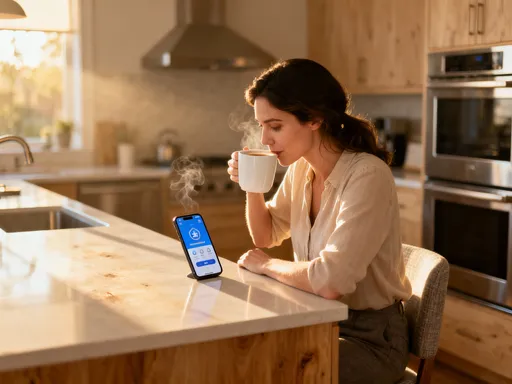
I used to wake up in the middle of the night wondering if I’d locked the back door. Now, I open my phone and check. In two seconds, I know. And that knowledge? It’s like a warm blanket for my brain. The peace of mind I’ve gained is not something I can easily put into words, but I can feel it in my body. Less tension in my shoulders. Fewer “what if” thoughts running in the background. I’m not just safer—I’m calmer.
One weekend, we went away for a short family trip. Before we left, I made sure the door was locked and set the auto-lock feature to engage after 30 seconds. While we were gone, I got an alert that the door had been opened. My heart jumped—until I remembered I’d given my cousin access to collect our mail. I checked the log, saw it was her, and exhaled. The system didn’t just tell me what happened—it gave me context. That ability to see who came in, when, and for how long, makes me feel in control, not paranoid.
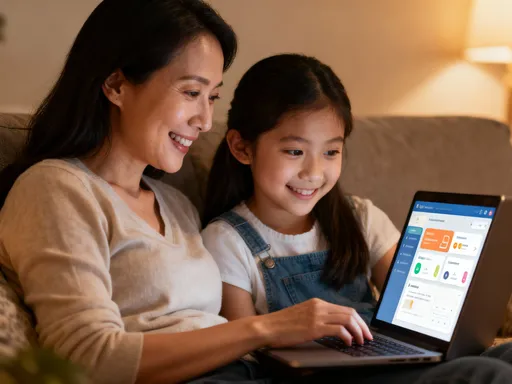
And for my kids, it’s been a quiet confidence booster. My daughter, who used to panic if she thought she’d lost her key, now proudly enters her code like a little grown-up. My son doesn’t have to worry about being stuck outside after practice. They feel more independent, and I feel more at ease letting them be. That’s the kind of safety I didn’t know I was missing—not just protection from intruders, but freedom from everyday fears. It’s the difference between living with constant background noise and finally hearing silence.
It’s Not Magic—Here’s What Actually Works
Let’s be real—this isn’t plug-and-play perfection. I made a few mistakes at the start. I bought a model that relied heavily on Wi-Fi, and when our internet went down during a storm, I couldn’t access the app remotely. Lesson learned: go for Bluetooth or hub-based systems if your Wi-Fi is spotty. I switched to a more reliable brand, and it made all the difference. I also didn’t realize how important battery life is until I got the low-battery alert at 11 p.m. on a Sunday. Now, I mark my calendar to check batteries every three months, just like I do with the smoke detectors.
My best advice? Start simple. Don’t jump straight into voice commands and smart home integrations unless you’re already comfortable with those systems. Begin with a keypad and app control. Get used to the routine. Set up one or two trusted codes for family members. Once you’re confident, then explore adding it to your smart home ecosystem. And please—keep a backup key in a secure place. I keep mine in a small lockbox in the garage, just in case. Technology is amazing, but it’s not infallible. The goal isn’t to eliminate keys entirely—it’s to reduce dependence on them.
Also, think about placement. I had mine installed on the front door, but I wish I’d considered the side entrance too—especially when I’m carrying laundry or gardening supplies. If you have multiple access points, you might want to prioritize which one gets the smart lock first. And don’t skip the setup tutorial. I ignored it the first time and ended up resetting the whole system because I didn’t understand the user roles. Now, I recommend watching the video guide with a cup of tea, like it’s a mini self-care session. You’re not just installing a lock—you’re setting up a new rhythm for your home.
How the Whole Family Adjusted (And Why That Matters)
The real test wasn’t whether the lock worked—it was whether we all could use it. My kids picked it up fast. I gave them each a simple code (their birthdays, easy to remember), and within days, they were using it without help. My son even taught his friend how to enter when he came over for homework. That sense of responsibility? Priceless. They don’t just feel trusted—they act more trustworthy.
My parents were more hesitant. “What if I forget the code?” my mom asked. So I set up a temporary access code for her visits and sent it via text the morning she arrived. I also showed her how to use the physical key as a backup. Now, she texts me, “I’m in!” like it’s a little victory. And my husband, who used to roll his eyes at anything “smart,” now checks the lock status before bed like it’s part of his routine. He says it makes him feel connected to the house, even when he’s away.
What surprised me most was how it changed our habits. We stopped hiding spare keys. No more under the mat, behind the planter, above the doorframe. That alone made me feel safer. We also started being more thoughtful about who we let in and when. Instead of handing out keys like candy, we now have a system. Babysitters get time-limited codes. House cleaners have recurring weekly access. It’s not about control—it’s about care. And honestly, it’s brought us closer. We talk more about who’s coming and going, and that small shift has made our home feel more intentional, more like a true family hub.
More Than Convenience—It Changed How We Live
I used to think smart home tech was for people with too much time or too much money. Now I know it’s for people who are tired. Tired of juggling, tired of worrying, tired of feeling like they’re one missed step away from chaos. This little device didn’t just change how we open the door—it changed how we move through our days. There’s less rushing, less double-checking, less mental clutter. We have more space to just be together.
I’ve started to see technology not as something cold or complicated, but as a quiet helper—like a good recipe that makes dinner easier, or a well-organized closet that saves time in the morning. The best upgrades aren’t the ones that shout—they’re the ones that whisper, “You’ve got this.” And that’s what this lock does. It doesn’t replace love or effort or presence. But it removes a thousand tiny obstacles that used to stand between me and the life I want to live.
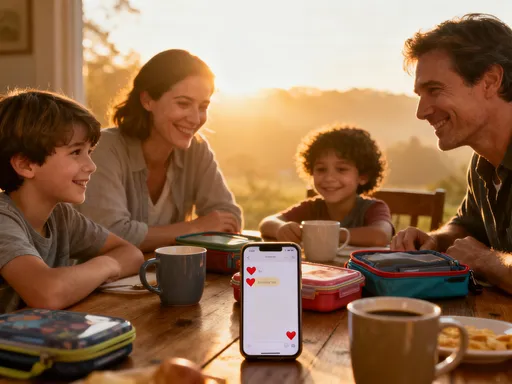
Now, when I walk in the door, I’m not greeted by stress. I’m greeted by stillness. My kids are doing homework, the dog is snoring on the rug, and the house feels like a true sanctuary. That sense of calm didn’t come from luck—it came from making one thoughtful choice that rippled through every part of our routine. If you’re standing on the outside, juggling bags and wondering if you locked the door, know this: there’s a simpler way. It’s not about living in the future. It’s about making today just a little bit easier, one smooth entry at a time.