After Tracking My Sleep for 90 Days, This Tool Finally Gave Me Back My Mornings
Ever wake up tired, even after eight hours in bed? I did—every single day. I tried everything: herbal tea, blackout curtains, no screens before bed. Nothing worked—until I started actually *looking* at my sleep data. It wasn’t about more sleep; it was about understanding it. One tool quietly changed how I see rest, energy, and even my mood. This isn’t a tech review—it’s a real-life story of how paying attention to the right details made mornings easier, days brighter, and me feel more like *me*.
The Morning Struggle That Felt Normal (Until It Wasn’t)
I used to think groggy mornings were just part of adult life. I’d hit snooze three times, drag myself out of bed, and rely on coffee to feel human. My energy crashed by 2 p.m., and my focus was scattered. I blamed stress, age, even the weather. But deep down, something felt off. I wasn’t lazy—I was exhausted. It wasn’t until a friend gently asked, “Have you ever checked *how* you’re sleeping?” that I realized I had no real data. I wasn’t alone. Millions of us assume we know our bodies, but we’re guessing based on feelings, not facts. That moment sparked a small, personal project: to stop assuming and start observing.
Think about it—how often do we make decisions about our health based on instinct? We say, “I slept fine,” because we were in bed long enough. But being in bed isn’t the same as resting well. I remember one morning, after what I thought was a solid night, I spilled coffee on my favorite blouse, forgot my daughter’s school pickup, and snapped at my partner over nothing. I wasn’t just tired—I was foggy, irritable, and emotionally off. That day shook me. Was this just how life was supposed to feel? Was I failing at self-care? The truth was, I didn’t know what my body needed because I wasn’t listening to it. I was too busy trying to keep up with everything else. But what if the answer wasn’t in doing more—but in seeing more?
This wasn’t about perfection. It was about honesty. And the first step was admitting I didn’t have the full picture. I didn’t need another productivity hack or a fancy wellness trend. I needed clarity. So I decided to track my sleep—not as a punishment, not as a fix—but as a way to finally understand myself better. I wasn’t chasing eight hours. I was chasing understanding.
From Guesswork to Real Insights: My First Look at Health Data
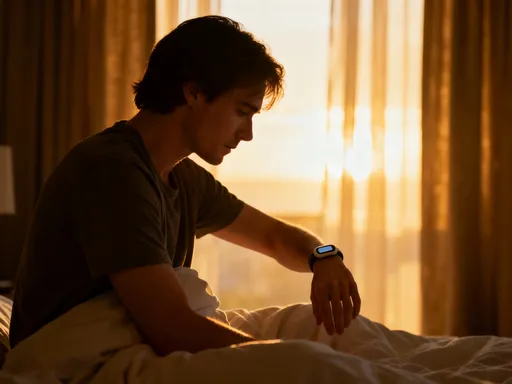
I started simple—tracking my sleep with a wearable I already owned. At first, the data confused me: “8 hours in bed” didn’t mean “8 hours of good sleep.” I saw patterns I’d never noticed—light sleep spikes after late dinners, drops in deep sleep during stressful workweeks. One night, I woke up six times, and I hadn’t even realized it. The numbers didn’t judge me; they showed me what was *actually* happening. This wasn’t about perfection—it was about awareness. And that awareness became the foundation for real change. I stopped blaming myself and started asking better questions.
Before this, I thought I knew when I was stressed. But the data told a different story. My heart rate variability dipped sharply two nights before a big deadline—before I even felt anxious. My body was responding to pressure before my mind caught up. That was eye-opening. It made me realize that sleep isn’t just about shutting your eyes—it’s about how your whole system unwinds. When I saw that a 10 p.m. snack led to restless sleep, I stopped doing it. Not because I was strict, but because I had proof. The data wasn’t a scolding teacher—it was a quiet coach, showing me cause and effect in real time.
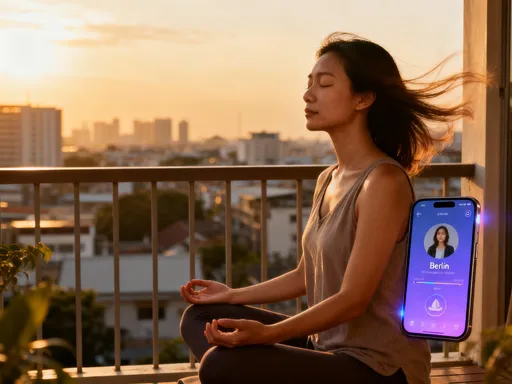
And here’s the thing: it wasn’t about fixing everything at once. One night, I saw my deep sleep was low after a family argument. Instead of beating myself up, I said, “Of course it was.” Emotions live in the body. Stress doesn’t just vanish when the lights go out. But now I could see it, name it, and plan for it. I started winding down earlier on tough days. I added a five-minute breathing exercise. Small things—but they were mine, chosen with intention. That shift—from reaction to response—was everything.
Choosing the Right Tool: Why Simplicity Won Over Features
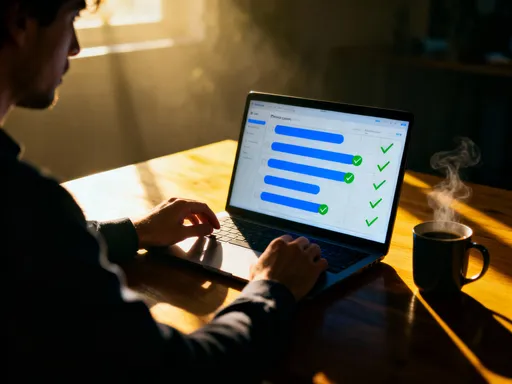
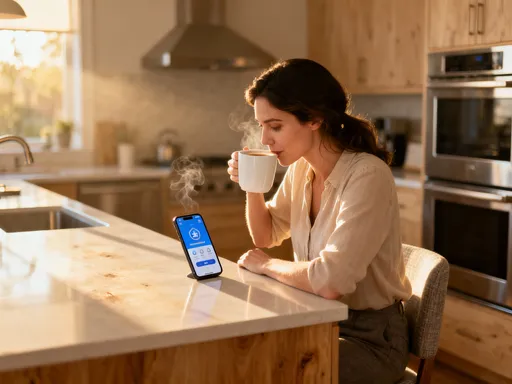
I tested three different apps and two devices over two months. Some had flashy dashboards, complex metrics, and AI-powered predictions. But the one I stuck with was the quietest—the one that didn’t overwhelm me. It showed just three things each morning: sleep score, restfulness, and energy prediction. No jargon. No graphs I couldn’t understand. It felt less like a medical report and more like a kind check-in. I realized the best tech doesn’t impress you—it *fits* you. The tool that helped me most wasn’t the most advanced; it was the one that made the data feel human, not robotic.
One app I tried gave me a 47-page sleep analysis every morning. Forty-seven pages! I’d open it, panic, and close it without reading. Another tracked my snoring, blood oxygen, and brain waves—but the notifications felt like alarms. I didn’t need to be startled awake by a message saying, “You were restless.” I needed support, not surveillance. The tool I kept was different. It greeted me with a soft color—green, yellow, or red—and a simple message: “You’re well-rested today” or “Try an extra 15 minutes tonight.” It didn’t shame. It suggested.
And that made all the difference. I didn’t feel like a patient. I felt like someone being cared for. I also appreciated that it synced with my calendar. On days when I had back-to-back meetings, it reminded me to protect my evening. It wasn’t controlling me—it was helping me plan. The real win wasn’t in the data itself, but in how it was delivered. Kindness matters, even in tech. When a tool feels like a friend instead of a critic, you’re more likely to stick with it. And consistency? That’s where the magic happens.
How Tracking Transformed My Evenings—Not Just My Nights
Once I saw how late meals and screen time hurt my sleep, I started adjusting my evenings. I moved dinner earlier, swapped the evening scroll for a 10-minute journaling habit, and set a soft “wind-down” alarm. These weren’t strict rules—just small experiments. And when I saw my sleep score improve two nights in a row, I felt a quiet sense of pride. It wasn’t willpower; it was feedback. The data didn’t shame me—it encouraged me. Slowly, my nights became more predictable, and my body began to trust the rhythm.
One of the biggest changes? I stopped using my phone in bed. I know, it sounds simple. But how many of us lie there, scrolling through messages or watching one more episode? I did. Every night. But after seeing how blue light delayed my sleep onset by nearly 40 minutes, I changed. I bought a small lamp for reading and started charging my phone in the kitchen. That one shift made a bigger difference than any supplement or pillow. My mind started to associate the bedroom with rest, not stimulation.
I also began to notice how my choices earlier in the day shaped my night. A walk after lunch? Better sleep. A glass of wine with dinner? More interruptions. I didn’t give up wine forever—but now I know the cost. And sometimes, I’m happy to pay it. But other nights, I choose water instead, and I wake up thanking myself. That’s the power of data: it doesn’t take away your freedom. It gives you the information to make choices that align with how you want to feel.
Sharing Patterns, Not Numbers: Connecting with My Partner
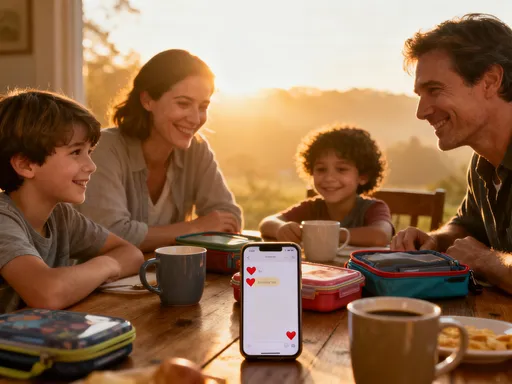
I didn’t start tracking to fix my life alone. I shared what I learned—with my partner, over coffee. “Did you know stress shows up in your sleep *before* you feel it?” We started talking about energy, not just schedules. He began noticing his own patterns. We stopped blaming each other for tiredness and started supporting each other’s rhythms. The data became a bridge, not a report card. It didn’t fix everything, but it made us more patient, more present.
One morning, he said, “I didn’t sleep well last night.” Before, I might have said, “Then why are you so grumpy?” Now, I said, “Your score was low? Want to switch pickup today?” That small shift changed everything. We weren’t accusing—we were understanding. He started using a basic tracker too, not to compete, but to sync. We learned that Sunday nights were rough for both of us—probably because of weekend overstimulation. So now, we have a “quiet Sunday” rule: no plans after 6 p.m., soft music, early dinner. It’s become our ritual.
And here’s something sweet: we now check in on each other’s rest like we used to check the weather. “Looks like a low-energy day for me—mind if I pass on the grocery run?” It’s not about avoiding responsibility. It’s about being honest and kind. And that’s made our relationship stronger. We’re not just sharing a home—we’re sharing awareness. And that’s a deeper kind of closeness.
Beyond Sleep: How One Metric Improved My Whole Day
Better sleep didn’t just change my mornings—it changed how I worked, focused, and even handled stress. On high-restfulness days, I made fewer mistakes, had more patience, and even enjoyed walks I used to dread. I started planning important meetings on high-energy days. The data helped me work *with* my body, not against it. I wasn’t chasing productivity—I was honoring my energy. And that shift made me more effective, not just busier.
I used to schedule big tasks for Monday mornings—because that’s what “productive people” do. But my data showed I rarely had high energy then. My best focus came on Tuesday and Thursday afternoons. So I shifted. Now, I save creative work for those windows. I use low-energy days for admin, emails, light calls. It feels more natural. I’m not fighting myself anymore. And honestly? I get more done.
Even my kids noticed. My daughter said, “Mom, you’re not yelling as much.” Ouch—but true. On days when my rest score was high, I responded instead of reacting. I listened better. I had space to breathe. That’s not just about sleep—it’s about quality of life. The ripple effect is real. When you feel better, everyone around you feels it too. I’m not perfect, but I’m more present. And that’s the kind of change that matters.
The Real Win: Feeling More Like Myself Again
After 90 days, the biggest change wasn’t in the data—it was in how I felt. I woke up earlier without an alarm. I smiled more before 9 a.m. I had ideas again. The tool didn’t “fix” me. It helped me *see* me. And in that clarity, I found confidence, calm, and a quiet joy in small wins. Tech didn’t replace my life—it helped me reclaim it. Now, when I say, “I’m doing better,” I know why. And that makes all the difference.
I used to think self-care meant face masks and long baths. Now I see it differently. Self-care is paying attention. It’s listening to your body, honoring your limits, and making choices that add up to a life that feels good. This journey wasn’t about becoming superhuman. It was about becoming more human. More awake. More aware. More *me*.
If you’re reading this and thinking, “I’m tired all the time,” I get it. I was there. But what if the answer isn’t in doing more—but in seeing more? You don’t need a perfect tracker or a fancy device. Start with what you have. Notice how you feel when you wake up. Track it for a week. See what shows up. The smallest insight can spark the biggest change.
Because here’s the truth: you deserve to feel good in your own skin. You deserve mornings that don’t feel like a battle. You deserve to show up for your life with energy and joy. And sometimes, the right tool—simple, kind, and human-centered—is the gentle nudge you’ve been waiting for. It was for me. And now, I’m finally getting my mornings back.