More Than Messages: Morning Habits That Brought Our Family Closer
Family mornings used to be chaotic—rushed, fragmented, and full of missed connections. But a small shift in how we use everyday tech changed everything. Instead of scrolling alone, we began sharing simple updates through familiar tools we already had. What started as a way to coordinate schedules quietly grew into something deeper: real moments of care, awareness, and togetherness. This isn’t about flashy apps or complex systems—it’s how a few intentional habits transformed our most stressful time of day. And honestly? I didn’t expect it to change how I felt about us. But it did. Now, even on the busiest days, there’s a quiet sense of being on the same team.
The Chaos Before: How Mornings Used to Pull Us Apart
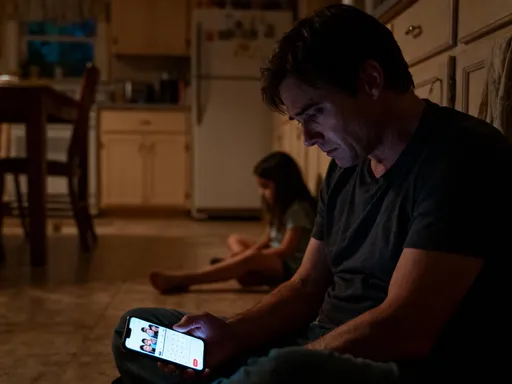
I still remember the morning my daughter stood at the kitchen door in her school uniform, eyes wide, voice shaky: “Mom, I forgot the permission slip. The field trip is today.” I froze, spatula in hand, pancakes burning. My son was already halfway through his cereal, and my partner was scanning emails on their phone. I had no idea the form was due. No one had told me. And yet—ironically—we were all online. Texts flew constantly, but never about what really mattered in that moment. That day, she missed the trip. And I missed the chance to help her.
Our mornings weren’t just busy—they were emotionally noisy. Everyone moved in parallel, not together. Backpacks were zipped without a word. Lunchboxes were packed in silence. I’d send a reminder about a dentist appointment, only to hear later it was ignored. My partner would leave a note on the fridge about a meeting, but by then, the moment had passed. We were physically in the same house, but mentally miles apart. The technology we used—group chats, calendars, alerts—was meant to help, but it felt cold, transactional. Like we were managing a project, not living as a family.
And here’s the truth I didn’t want to admit: I felt lonely. Even with four people in the house, I often started my day wondering, “Does anyone really know how I’m doing?” The kids were focused on school, my partner on work, and I was juggling it all, trying to hold things together. The digital noise didn’t connect us—it distracted us. We were connected to our devices, but disconnected from each other. It wasn’t until I stepped back and asked, “What if we used these tools differently?” that everything began to shift.
A Tiny Shift: Starting the Day with Shared Intentions
The change didn’t come from a new app or a complicated system. It came from one small decision: to use our messages not just to inform, but to connect. I started with something simple. One morning, instead of just texting, “Don’t forget your gym clothes,” I added a voice note: “Good morning, sweetie! Just a reminder about gym clothes today. Hope your day is off to a great start. Love you.” I sent it to my daughter through our family chat. I didn’t expect much. But five minutes later, she replied with a voice note of her own: “Thanks, Mom. That made me smile. I’m kind of nervous about math today, though.”
My heart cracked a little. That was the first time in months she’d told me how she was really feeling—and it happened because I added three seconds of warmth to a routine message. That’s when it hit me: the tools weren’t the problem. It was how we were using them. What if we treated our family chat not like a task manager, but like a digital kitchen table? A place where we could say more than logistics—where we could share how we were doing, what we were feeling, even if just for a sentence.
So I tried again. The next day, I sent a photo of my coffee and toast with the caption: “Morning from the kitchen! Wishing you all a calm one. Sending good vibes for your presentation, [partner’s name].” No demands. No reminders. Just presence. And slowly, others began to respond in kind. My son started sending a quick “👍” when he got on the bus. My partner began sharing a one-word check-in: “Tired. But okay.” These weren’t grand gestures. But they were real. And over time, they added up to something that felt like belonging.
Choosing Tools That Fit, Not Overwhelm
One of the biggest lessons I learned? You don’t need a fancy app to build connection. In fact, the simpler the tool, the better. We stuck with what we already used every day—our regular messaging app and a shared calendar. No downloads, no passwords, no learning curve. The goal wasn’t to add another thing to manage, but to infuse meaning into what we were already doing.
For example, our group chat became a place for more than just “Pick up milk.” We started using it for tiny moments of care. A photo of the dog curled up on the couch. A voice note saying, “Thinking of you during your test.” Even a single emoji—like a heart or a sun—could say, “I’m here.” And here’s the thing: those little things started to matter. My teen, who used to shut down when I asked, “How are you?” in person, began reacting to my messages with a simple “😊” or “Thanks, Mom.” It wasn’t much, but it was a bridge.
We also leaned into features we’d ignored before. Read receipts, which I once saw as stressful, became reassuring. If I sent a “Good luck today!” message and saw the checkmarks turn blue, I knew they’d seen it. It didn’t mean they’d reply, but it meant they’d received the love behind the words. Scheduled messages helped too. I’d set one to go out at 7:15 a.m. with a gentle reminder: “Breakfast is ready. No rush, but it’s warm!” It removed the yelling, and added kindness. These weren’t tech breakthroughs—they were small human ones, powered by tools we already had.
Tracking Progress Without Pressure
After a few weeks of more intentional messaging, I noticed something unexpected: I was starting to see patterns. My son always seemed anxious on Mondays. My daughter lit up when she had art class. My partner was calmer when they had time to exercise in the morning. So I wondered—what if we gently tracked not just what we did, but how we felt?
I didn’t want anything formal. No spreadsheets, no journals. So I created a simple shared checklist in our calendar app. Each morning, we could add a quick note: “Feeling good,” “Need quiet today,” or “Excited for soccer!” It wasn’t mandatory. No one was scolded for skipping it. But slowly, people started using it. My daughter began adding little drawings—a sun, a cloud, a rainbow—to show her mood. My son typed, “Okay. Tired.” And that tiny bit of honesty told me he needed a lighter load that day.
The beauty of this wasn’t in the data—it was in the awareness. Because now, when I saw “Tired” on the list, I’d pack an extra snack. When my partner wrote, “Big meeting,” I’d make sure the house was quiet in the morning. It wasn’t about fixing anyone. It was about seeing them. And that small act of being seen? It changed how we moved through the day. We weren’t just managing schedules—we were caring for each other’s rhythms. And that made all the difference.
Building Rituals, Not Rules
After a while, these small habits stopped feeling like efforts and started feeling like rituals. Like the way I now take a photo of my coffee every morning and send it with the words, “Morning from me to you.” It’s silly, maybe. But my daughter calls it “Mom’s coffee signal,” and she knows the day has officially started when she sees it. My son began sending a photo of his packed backpack with the caption, “Ready to roll!” It’s become his way of saying, “I’m okay. I’ve got this.”
Rituals like these don’t take time. They take intention. And they create a quiet sense of safety. One evening, my daughter said, “I feel like you’re with me now, even when you’re not.” That stopped me in my tracks. She explained that when she’s at school and checks the chat, seeing a simple “Good morning!” or a photo of our dog made her feel held. It wasn’t the message itself—it was the knowing that someone was thinking of her.
And here’s what surprised me most: these digital moments didn’t replace our real ones. They made them better. Because when we finally sat down together at dinner, we weren’t starting from zero. We’d already shared pieces of our day. We already knew who was stressed, who was excited, who needed a little extra love. The tech didn’t replace presence—it extended it. It turned our family chat into a thread of care that ran through the day, stitching us together even when we were apart.
When It Didn’t Work—And What We Learned
Of course, it wasn’t perfect. There were days when no one responded. Days when I sent a cheerful “Good morning!” into silence. Days when my son ignored the checklist, or my partner forgot to reply. And once, I overdid it. I started sending three messages a day—check-ins, reminders, affirmations. It felt less like connection and more like monitoring. My daughter finally said, “Mom, it’s sweet, but it’s a lot. Can we just go back to one thing?”
That was a wake-up call. I realized I’d turned a habit of care into a habit of control. So we paused. We talked. And we agreed: this wasn’t about performance. It wasn’t about how often we messaged, but why. The goal wasn’t to fill the chat with content—it was to share moments of warmth. So we simplified. We let go of the checklist for a week. We stopped expecting replies. And slowly, the ease came back.
The biggest lesson? Silence doesn’t mean disconnection. Just because someone doesn’t reply doesn’t mean they don’t care. And consistency matters more than frequency. Even if I send one message a week, if it’s genuine, it still counts. Forgiveness—of ourselves and each other—kept this habit alive. We weren’t aiming for perfection. We were aiming for presence. And sometimes, that meant stepping back to let connection breathe.
The Ripple Effect: Calmer Mornings, Stronger Bonds
Looking back, I’m amazed at how much changed—not because we downloaded something new, but because we used what we had with more heart. Our mornings are still busy. There are still spilled juice boxes and missing shoes. But the energy is different. There’s less yelling. Fewer “I told you so” moments. More eye contact. More deep breaths. More “I’ve got you” instead of “You forgot again.”
And it’s spilled into the rest of our lives. Because we’re more aware of each other’s moods, we plan better. We don’t schedule big talks on stressful days. We protect quiet time when someone needs it. We celebrate small wins—like when my son remembered his library book without a reminder, or when my partner came home early to help with homework. These aren’t huge moments, but they’re meaningful.
Recently, I walked into the kitchen to find my daughter making toast. She didn’t say anything. But she slid half onto my plate and said, “You looked tired this morning.” I almost cried. That moment—small, quiet, full of care—was the result of months of tiny digital nudges. The voice notes. The photos. The check-ins. They didn’t just change our mornings. They changed how we see each other. They reminded us that we’re not just sharing a house—we’re sharing a life. And sometimes, all it takes is one “Good morning” to start the day that way.