Beyond the Phone Call: How Recording Family Stories Brought Us Closer Than Ever
Have you ever realized how much you don’t know about your parents’ or grandparents’ lives—until it’s too late? I did. It hit me during a quiet dinner when my mom mentioned a childhood memory I’d never heard before. That moment sparked a simple habit: recording our conversations. What started as a few voice notes became a bridge—not just to the past, but to each other. This isn’t about technology for technology’s sake. It’s about real connection, shared laughter, and preserving what matters most. These recordings didn’t just save stories—they changed how we listen, how we remember, and how we show up for one another.
The Moment I Realized We Were Losing More Than Memories
It was a rainy Tuesday evening. My mom was stirring soup at the stove, and I was chopping vegetables, the kind of ordinary moment that blends into the background of life. Out of nowhere, she said, “You know, I used to walk five miles to school every day. No bus, no car, just my boots and a backpack.” I stopped cutting. I’d never heard this before. Not once in all the years of asking her about her childhood. I asked her to tell me more—what the road was like, if she had friends along the way, what she thought about during those long walks. And as she talked, I felt something shift inside me. It wasn’t just curiosity. It was grief—quiet, slow, and deep—for all the stories I’d never thought to ask about.
That night, I lay in bed thinking about how many of these moments had already slipped away. My grandfather passed when I was in college, and I barely remembered his voice. My aunt used to tell these wild stories about growing up in the countryside, but now, years later, I could only recall fragments. I started wondering: how many other families are sitting on a goldmine of untold history, not realizing it’s disappearing piece by piece? We text our siblings, we call our parents on Sundays, we share photos on holidays—but how often do we really talk? Not just about the weather or what’s for dinner, but about the moments that shaped them? The fears they carried, the dreams they let go of, the quiet courage it took to build a life.
Modern life keeps us connected, but often in ways that feel thin. A quick message. A reaction emoji. A 30-second video of a birthday cake. We’re in touch, yes—but we’re not truly listening. And the deeper stories, the ones that carry identity and meaning, get buried under the noise. I realized then that if I didn’t do something, I’d be left with photo albums and a handful of secondhand memories. I didn’t want that. I wanted their voices. Their laughter. The way my dad pauses before telling a punchline. The way my mom says my name when she’s about to share something important. I wanted to keep those alive—not just for me, but for my kids one day. That’s when I started hitting record.
Why Talking Isn’t Enough—And Why We Forget
We’ve all been there—sitting across from a parent or older relative, hearing a story that feels like a window into another world. And then, days later, you try to retell it to someone else and realize you’ve forgotten half the details. The name of the town? The year it happened? The way they looked when they said, “I knew then that everything would be okay”? Gone. And it’s not your fault. Our brains aren’t built to hold every story perfectly. Memory is fragile, selective, and constantly reshaped by time.
Scientists have long studied how memory works, and one thing is clear: we forget fast. Within hours of hearing something, we can lose up to half of the details. Over weeks and months, even vivid stories start to blur. The brain prioritizes survival, not storytelling. It keeps the emotional core—the joy, the fear, the relief—but the specifics? The names, the dates, the exact words? Those fade. And when we rely only on oral tradition, we’re asking memory to do a job it wasn’t designed for. It’s like trying to carry water in your hands. Some of it will always slip through.
I saw this happen with my grandmother. She’d tell the same story about meeting my grandfather at a county fair, but each time, the details shifted. One year, it was raining. The next, the sun was shining. One time, she was selling lemonade. Another, she was watching a horse race. Was she lying? Of course not. Her heart remembered the feeling—the spark, the excitement—but the facts had softened with time. And I began to wonder: if I didn’t capture these moments, what would be left? A patchwork of half-remembered scenes? A few faded photos with no context?
That’s when I realized that recording isn’t about distrusting memory. It’s about honoring it. It’s about giving those stories a safe place to live, outside of our fallible minds. And the beauty is, technology makes this easier than ever. You don’t need a studio. You don’t need expensive equipment. Just a phone in your pocket. A tap of a button. A few minutes of attention. What you get isn’t just a recording—it’s a time capsule. It’s your mother’s voice saying, “Let me tell you about the first time I held you.” It’s your uncle laughing as he describes sneaking into a concert as a teenager. These aren’t just memories. They’re heirlooms. And once they’re recorded, they can’t be lost.
Choosing the Right Tools—Without Overcomplicating It
When I first thought about recording family stories, I imagined something formal—like an interview, with microphones and a quiet room and a list of questions. But that felt stiff. Unnatural. I didn’t want my mom to feel like she was being tested or put on the spot. I wanted her to talk the way she does when we’re alone in the kitchen, laughing about something silly from twenty years ago. So I let go of perfection. Instead, I focused on simplicity.
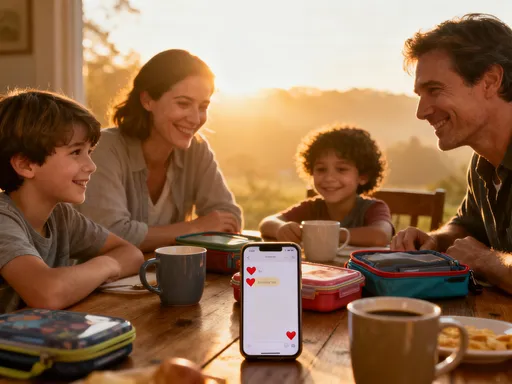
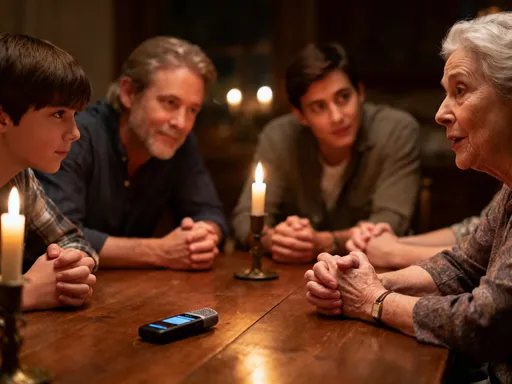
Here’s what worked: I started with the voice memo app on my phone. That’s it. No extra downloads, no complicated settings. I’d sit with my mom after dinner, put the phone on the table, and say, “Hey, can you tell me about the house you grew up in?” I wouldn’t even announce that I was recording—sometimes I’d just press the button and let the conversation flow. Later, I’d save the file with a simple name like “Mom – Childhood Home” and store it in a folder on my phone. Easy. Invisible. Human.
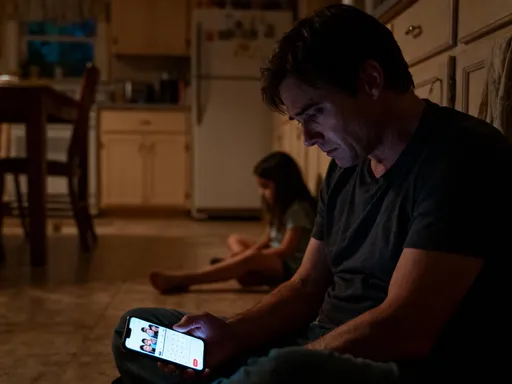
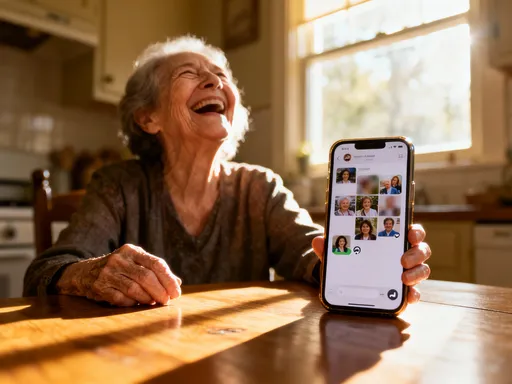
For video, I used FaceTime or WhatsApp calls. If my sister was on the other line and we were talking to my dad, I’d ask, “Can I save this call? I’d love to keep this conversation.” Most video apps now let you record with one tap, and you can save it locally or to a private cloud folder. I created a family album in Google Photos, set it to private, and started uploading clips. My cousins now have access, and we’ve begun sharing them during holidays. One Thanksgiving, we played a clip of my dad telling a joke from the 80s—and the whole table burst out laughing. It was like he was there all over again.
I also discovered a few simple apps designed for exactly this—like StoryCorps or TinyTales—that make recording and organizing stories even easier. They guide you with gentle prompts, help you label recordings, and even let you add photos. But honestly, you don’t need them. The point isn’t the tool. It’s the act. Whether it’s a 2-minute voice note or a 20-minute video call, what matters is that you’re listening, you’re present, and you’re preserving something real. And the best part? Most of these tools are free, built into devices we already own. You don’t need to be tech-savvy. You just need to care.
Turning Awkward Silence into Meaningful Conversation
Let’s be honest—starting these conversations can feel awkward. You sit down with your mom, ready to record, and suddenly the room feels too quiet. You want to say something meaningful, but all that comes out is, “So… how was your week?” I’ve been there. The fear isn’t just about silence—it’s about saying the wrong thing, sounding nosy, or bringing up something painful. But here’s what I’ve learned: you don’t need to be a journalist. You just need to be curious.
I started with simple questions—ones that felt natural, not like an interrogation. “What was your first job like?” That one opened a floodgate. My mom told me about working at a diner at 16, how she hated wearing the uniform but loved the tips. “How did you and Dad meet?” That led to a 45-minute story about a snowstorm, a broken-down car, and a diner pie that changed everything. I wasn’t scripting this. I was just asking, and then listening—really listening—to where the conversation went.
Sometimes, I’d start with a photo. “Who’s that in the picture with you at the beach?” Or a smell. “Why do you always make that soup in winter?” Triggers like these make it easier to dive in. And when I recorded, I noticed something surprising: the silence didn’t feel heavy anymore. Because I knew the recording was there, I didn’t feel pressure to respond right away. I could let my mom pause, gather her thoughts, even cry if she needed to. The recording held the space. It gave her permission to go deep.
One afternoon, I asked my aunt, “What’s something you’re proud of that no one knows about?” She was quiet for a long time. Then she said, “I taught myself to read when I was seven, using old newspapers and a dictionary.” I still get chills remembering her voice. That moment wouldn’t have happened in a text. It wouldn’t have come up in a quick phone call. It came because I asked, I listened, and I let the silence breathe. And now, that story is saved. It’s not just mine. It’s for my niece, for her kids, for anyone who wants to know what quiet strength looks like.
How These Recordings Strengthened Our Family Circle
The most unexpected gift of recording family stories hasn’t been preserving the past—it’s bringing us closer in the present. I used to think of these recordings as something for the future, like planting a tree you’ll never sit under. But they’ve become part of our everyday lives. My teenage cousin, who barely knew my grandfather, listened to a recording of him telling jokes and said, “He sounds just like Uncle Joe.” It was like she’d discovered a missing piece of herself. My sister and I now replay old clips when we’re feeling stressed or disconnected. Hearing our mom talk about raising us as toddlers reminds us of how much we’ve shared, how much we’ve grown.
At my nephew’s birthday party last summer, I played a short clip of my dad singing a silly lullaby he made up for me as a kid. The room went quiet. Then everyone started laughing—because my brother sings the same song to his kids. It wasn’t just nostalgia. It was recognition. We were seeing the threads that connect us, the traditions we didn’t even know we were passing down. That moment sparked a whole new round of storytelling. My cousin asked her mom about her childhood lullabies. My aunt pulled out an old recipe book. The recording didn’t just play a memory—it started a conversation.
What I’ve realized is that these recordings are more than archives. They’re bridges. They help younger generations understand where they come from. They help siblings remember why they used to be so close. They give us a shared language when words fail. And in a world where families are often spread across states or even countries, that connection matters more than ever. I’ve shared recordings with relatives I rarely see, and their response is always the same: “I felt like I was right there.” That’s the power of voice. Of tone. Of a laugh that sounds exactly like your own.
Making It a Habit—Without Making It a Chore
Like any good habit, this one took practice. At first, I’d forget. Or I’d wait for the “perfect” moment that never came. I learned quickly that if I treated it like a project, it felt like work. But if I treated it like a ritual—a small, sacred part of being together—it became natural. I stopped planning long interviews. Instead, I looked for pockets of time: a walk after Sunday lunch, folding laundry together, waiting for the kettle to boil. Those in-between moments often held the richest stories.
I started setting a monthly “story time” with my mom. No agenda. No pressure. Just an hour where we’d talk, and I’d record. Sometimes we’d go deep. Other times, we’d just reminisce about old TV shows. The point wasn’t the length or the depth—it was the consistency. And I began inviting my kids to join. I’d hand them the phone and say, “Ask Grandma about when she was your age.” Their questions were different—more playful, more direct. “Did you ever get in trouble at school?” “What was your favorite candy?” And their presence made my mom open up in ways she hadn’t before.
I also learned to keep it light. If someone didn’t want to talk about something, I’d move on. No pushing. No guilt. The goal wasn’t to extract every secret—it was to create a space where stories could grow. And over time, that space became safer, warmer, more inviting. Now, my mom sometimes says, “I have something I want to tell you—can we record it?” That, to me, is the ultimate win. It’s no longer my project. It’s ours.
More Than Preservation—This Is Connection in Action
Recording family stories isn’t about nostalgia. It’s not about creating a museum of the past. It’s about connection—right here, right now. Every time I press record, I’m saying, “Your life matters. Your voice matters. I want to remember you this way.” And every time I listen back, I hear more than words. I hear love. I hear resilience. I hear the quiet hum of a life well-lived.
But it’s not just about saving the past. It’s about changing the present. When I listen to these recordings, I understand my parents differently. I see their choices, their sacrifices, their quiet hopes. And that changes how I treat them. I’m more patient. More grateful. More present. I’m not just their daughter anymore. I’m their witness.
And for my kids? These recordings are a gift I can’t fully measure yet. One day, they’ll hear their grandmother’s voice telling a story about me as a child. They’ll hear the pride in her tone, the warmth in her laugh. They’ll know they come from a line of people who loved deeply, who worked hard, who found joy in small things. That’s not just history. That’s belonging.
So if you’ve ever wondered where to start—start small. Pick up your phone. Ask one question. Press record. You don’t need perfect audio. You don’t need a script. You just need to care enough to listen. Because these stories aren’t just about the past. They’re about who we are, who we’ve loved, and who we’ll become. And in a world that moves too fast, they’re a quiet act of love—one voice note at a time.