Synced Our Family’s Chaos: How One App Fixed 3 Years of Missed Events and Lost Photos
Remember that time your mom missed your kid’s recital because the calendar invite got buried in emails? Or when your partner couldn’t find the vacation photos—again? I’ve been there, more times than I’d like to admit. For years, our family was drowning in digital clutter, juggling five different apps and still missing what mattered. Then we tried one simple file sync app—and everything changed. It wasn’t magic, just smart design meeting real life. Here’s how it quietly brought us back together.
The Mess We Lived In: When “Staying Connected” Actually Meant Falling Apart
It sounds strange to say it now, but we thought we were doing great. I had my calendar color-coded. My husband swore by voice notes. My sister used a shared spreadsheet to track birthdays, and my parents saved everything in email attachments. We were using technology, so why did we keep missing things? Why did my daughter cry when Grandma didn’t show up to her piano performance—even though I’d sent the address? Because it was buried in a chain of six emails, and no one had checked.
The truth is, we weren’t disorganized because we didn’t care. We were overwhelmed by the sheer number of tools we thought we needed. One study from the University of California found that the average family uses between four and six digital platforms just to manage daily life—calendars, photo storage, messaging apps, cloud drives. Each one promised simplicity, but together, they created chaos. We’d save a file in one place, assume someone else saw it, and move on. But no one was looking in the same place at the same time.
My dad once spent two days trying to find his tax documents. He had them on his desktop, emailed them to himself, and saved a copy on a USB drive that got lost in the couch cushions. When April 15th came, he had nothing. That wasn’t just frustrating—it was stressful. And it wasn’t just about paperwork. It was about trust. When the people you love can’t find what they need, it starts to feel like you’re not really together, even when you’re in the same house.
I remember lying awake one night, scrolling through my phone, trying to find a photo of my son’s first soccer game. I knew I’d taken it. I just didn’t know where. Was it in the cloud? On my phone? In a message to my mom? That moment hit me: we had more technology than ever, but less peace of mind. We weren’t failing because we were bad at tech. We were failing because the tech wasn’t built for families like ours—messy, loving, always moving, and trying our best.
The Myth We Believed: “More Apps = More Control”
We kept thinking the solution was another app. If only we had a better calendar. If only we used a password manager. If only we had a family group chat just for reminders. So we downloaded them. We tried color-coded spreadsheets. We made folders with names like “Important – Do Not Delete.” We even had a shared notebook where we wrote down doctor appointments and school events. For about two weeks, it worked. Then life happened.
My husband forgot to update the calendar. My sister didn’t check the spreadsheet. My teen ignored the group chat because it felt like “work.” The problem wasn’t that we weren’t trying. The problem was that these tools were designed for offices, not homes. They assumed everyone would follow the rules, log in at the same time, and update things the “right” way. But families don’t work like that. We communicate through quick texts, voice notes, photos, and sometimes, just yelling from room to room.
One of the biggest realizations I had was that we weren’t resisting technology—we were resisting friction. If a tool made things harder, even by a little, someone would stop using it. And once one person drops out, the whole system collapses. It’s like a chain: only as strong as its weakest link. We didn’t need more control. We needed less effort. We needed something that worked whether we remembered to use it or not.
And here’s the thing: most file sync apps don’t understand that. They make you choose where to save things, decide who gets access, and remember to hit “share.” They assume you have time and attention to manage them. But parents don’t have that. We’re too busy packing lunches, helping with homework, and showing up to things on time. We needed a tool that didn’t ask us to change—we needed one that changed with us.
The Turning Point: One Evening, One Missing Permission Slip
It was 9 p.m. My daughter had a school trip the next morning, and she needed a signed permission slip by 8 a.m. I remembered it just as I was brushing my teeth. I ran to my laptop, opened the folder, and—nothing. I checked my email. Nothing. I called my husband. “Did you print it?” “I saved it on my work laptop,” he said. “It’s at the office.”
I drove across town, hoping he’d left it plugged in so I could remote in. No luck. The building was locked. I sat in the parking lot, staring at my phone, feeling helpless. This wasn’t just about a piece of paper. It was about showing up. It was about not letting her down. And in that moment, I realized: our digital lives were disconnected. We were using the same tools, but we weren’t on the same page—literally.
That night changed everything. I didn’t want to spend my time chasing files. I wanted to spend it with my kids, helping them grow, laughing at their jokes, being present. But how could I be present when half my brain was always searching for something? I started looking for a solution that didn’t just sync files—but synced us.
I wanted something where, if my husband saved a file, I could see it immediately. Where my mom, who lives three time zones away, could find her grandchild’s school project without asking me. Where a photo taken by my nephew would show up for everyone, not just the person who took it. I didn’t want another app. I wanted peace of mind.
Finding the Right Fit: Not Just Syncing Files—Syncing Lives
We tested three different apps before we found the one that worked. The first one was too complicated—needed passwords for every folder, and no one could figure out how to upload photos. The second one kept crashing on my mom’s older phone. The third? It worked—but only if you used it exactly the way the tutorial said. We needed something simpler.
The one we landed on didn’t ask us to change our habits. It just worked in the background. As soon as someone took a photo, it uploaded to a shared family album. Calendars synced automatically—no more double-booking dance class and dentist appointments. Documents saved to a shared folder were instantly visible to everyone with access. And the best part? No one had to remember to do anything.
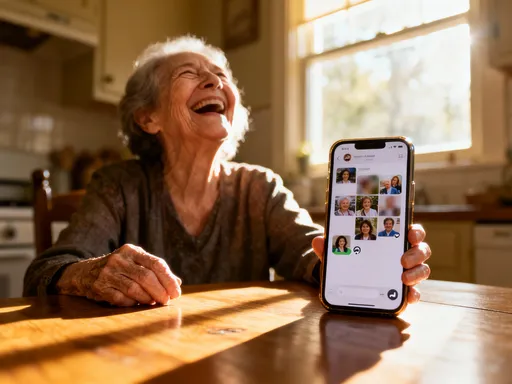
When my mom joined the account, I showed her how to find videos of her grandkids. She found a recording of my daughter’s first words within minutes. “I don’t even need to ask you anymore,” she said, her voice cracking a little. That’s when it hit me: this wasn’t just about files. It was about connection. It was about making sure the people we love never feel left out.
The app didn’t have flashy features or AI that predicted what we’d need. It just respected how we lived. It didn’t pop up notifications every five minutes. It didn’t demand attention. It stayed quiet—until we needed it. And when we did, it was there, like a quiet helper who’d been watching over everything.
How We Set It Up: Simple Rules That Stuck
We didn’t overhaul our lives. We made three small changes—and they made all the difference. First, we stopped naming folders after people. No more “Mom’s Files” or “Dad’s Stuff.” Instead, we used names like “School,” “Travel,” “Medical,” and “Family Memories.” That way, anyone could find what they needed, no matter who saved it.
Second, we turned on auto-upload for photos and documents on all our devices. No more remembering to save things manually. If someone took a picture at a birthday party, it showed up in the family album. If my husband scanned a medical bill, it went straight to the right folder. We didn’t have to think about it—it just happened.
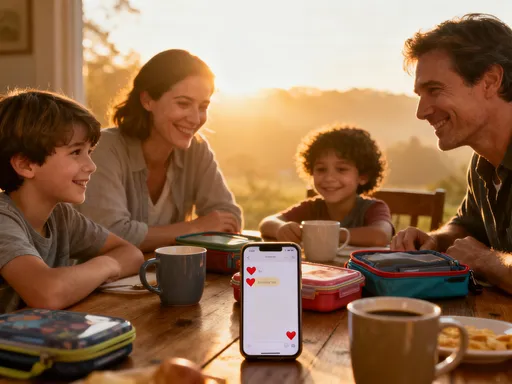
Third, we started a 10-minute weekly check-in. Every Sunday night, we’d sit together—sometimes with tea, sometimes with ice cream—and quickly review what was coming up. We’d check the shared calendar, make sure important files were in place, and clean up anything that didn’t belong. It wasn’t about perfection. It was about staying connected.
The real win? We stopped wasting mental energy. I no longer had that low-level anxiety of “Did I save that somewhere?” My husband stopped muttering, “Where is that file?” at 11 p.m. We weren’t just more organized—we were more present. And that made all the difference at dinner, at bedtime, at the moments that matter.
Unexpected Gifts: More Than Just Files in Order
The biggest surprise wasn’t that we stopped losing things. It was what we gained when we stopped managing chaos. We had more time. More patience. More space to just be together. My teen, who used to shut her door and disappear for hours, started sharing her art projects in the family folder. “You can look if you want,” she said casually. That small act meant the world.
My parents, who once felt like they were bothering us with every question, now feel included. They can check the calendar, see photos, and feel part of our lives without needing a 20-minute phone call to get caught up. One day, my mom sent me a voice note: “I watched the video of the dog’s birthday party three times. I laughed every time.” That’s the kind of moment you can’t plan for—but you can make room for.
We started rediscovering little things: a scanned drawing my son made in kindergarten, a playlist my husband made during our road trip, a photo of my daughter blowing out candles with chocolate on her nose. These weren’t just files. They were memories. And because they were easy to find, we started sharing them again. We started talking about them. We started feeling closer.
The app didn’t create connection. But it removed the barriers that were in the way. It didn’t force us to talk more. It just made it easier to care in the small ways that add up.
Why This Matters: Technology That Serves, Not Controls
We don’t need more apps. We need better ones. Ones that understand that family life isn’t about productivity—it’s about presence. The app we use doesn’t track how many files we’ve shared or how many photos we’ve uploaded. It doesn’t send reports or demand feedback. It just works. And in doing so, it gives us back something priceless: time.
Time to read a story before bed. Time to sit with a cup of tea and just talk. Time to remember that we’re not just managing a household—we’re building a life together. In a world where every app fights for our attention, this one does the opposite. It stays in the background. It whispers instead of shouts. It says, “I’ve got this. You focus on what matters.”
And that shift—from technology that adds stress to technology that offers support—is what we all need. We don’t have to choose between staying organized and staying connected. We can have both. It starts with choosing tools that respect our humanity, our messiness, our love. It starts with remembering that the best tech isn’t the one with the most features. It’s the one that helps us feel more like ourselves—and more like a family.